Real Estate Cycle Explained: Understand the Market Now
Real estate cycle explained — learn what stage the market is in, how to spot trends, and what it means for buyers and investors today.
The real estate cycle moves through four main phases—recovery, expansion, hyper-supply, and recession. Each stage impacts prices, inventory, and investor strategy. Knowing where we are now helps you make smarter buying and selling decisions.
The Real Estate Cycle Explained (And Where We Are Now)
Have you ever wondered why the housing market suddenly heats up, then cools down just as fast? It’s not random—it’s part of a predictable rhythm called the real estate cycle.
Understanding this cycle can help you spot opportunities before everyone else does. Whether you’re buying, selling, or investing, timing is everything in real estate.
Let’s break down what the real estate cycle really is, how it works, and where we stand today.
What Is The Real Estate Cycle?
The real estate cycle is the natural pattern of ups and downs the housing market experiences over time. It’s influenced by economic growth, interest rates, job creation, and consumer confidence.
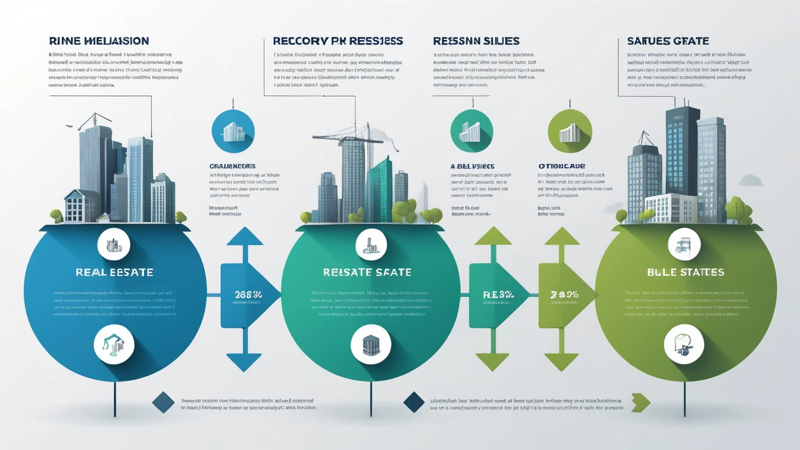
In simple terms, the market goes through four repeating stages: Recovery, Expansion, Hyper-Supply, and Recession. Each one affects property prices, construction activity, and demand differently.
Think of it like the seasons — spring (recovery), summer (expansion), fall (hyper-supply), and winter (recession). Each has its own characteristics and opportunities. ☀️❄️
Why The Real Estate Cycle Matters
Knowing where we are in the cycle helps you make smart moves.
- Buyers can spot bargains before prices rise.
- Sellers can sell when demand peaks.
- Investors can predict when to enter or exit the market for maximum returns.
In short, understanding the cycle isn’t just theory—it’s your competitive edge.
The Four Stages Of The Real Estate Cycle
Every market, whether residential or commercial, follows these four stages.
| Stage | Market Condition | Typical Trend | Investor Strategy |
| Recovery | Low demand, low prices | Slowly improving | Buy undervalued properties |
| Expansion | Strong growth, rising prices | High construction | Hold and develop |
| Hyper-Supply | Too much inventory | Slowing sales | Sell before correction |
| Recession | Falling prices | Reduced demand | Buy opportunistically |
Let’s explore each one more closely.
Stage 1: Recovery
The recovery stage comes right after a market downturn. Prices are low, construction slows, and there’s a lot of skepticism.
However, this is when smart investors quietly start buying. Interest rates may be lower, and competition is minimal. Slowly, demand begins to rise again.
If you’re looking to invest, this is the time to:
- Buy undervalued properties
- Focus on long-term holds
- Watch for signs of job growth and population recovery
Stage 2: Expansion
This is when things start looking really good. Economic growth picks up, new jobs are created, and people feel confident buying homes.
Developers jump back in, construction booms, and prices rise steadily. It’s also when rental markets tighten, meaning investors enjoy higher returns.
You’ll notice during expansion:
- New developments everywhere
- Mortgage approvals rise
- Home prices climb month after month
It’s a great time to invest—but also when many people get overconfident.
Stage 3: Hyper-Supply ⚠️
Eventually, the market gets too hot. Builders overproduce, thinking the demand will last forever. But supply starts to outpace demand.
Vacancy rates rise, properties sit longer on the market, and price growth slows.
Here’s what typically happens during hyper-supply:
- More homes available than buyers
- Sellers start offering incentives
- Investors begin cashing out
If you’re an investor, it’s wise to tighten your portfolio, reduce leverage, and prepare for the next phase.
Stage 4: Recession
The market finally cools off. Prices drop, construction halts, and buyers wait on the sidelines.
It’s not all bad news though—this is when amazing deals appear. Many investors call this the “buying season” of the cycle.
Key signs of recession:
- Falling property values
- Higher unemployment
- Lower consumer confidence
It’s a time to buy smart, not panic.
How Long Does The Real Estate Cycle Last? ⏳
Typically, a full real estate cycle lasts between 7 to 10 years, though it can vary by location and economic conditions.
For instance:
- Fast-growing cities may move through cycles quicker.
- Mature markets take longer to shift.
| Cycle Duration | Market Type | Notable Example |
| 5–7 Years | High-growth metro | Austin, TX |
| 8–10 Years | Stable economy | Denver, CO |
| 10+ Years | Slow-growth region | Midwest markets |
The key takeaway? Timing matters, but location matters even more.
Where Are We In The Real Estate Cycle Right Now?
As of late most U.S. markets appear to be in a late recovery to early expansion phase.
After years of volatility caused by interest rate hikes and inventory shortages, prices are stabilizing. Demand is slowly improving as inflation cools and mortgage rates edge downward.
However, some overheated areas—like certain parts of California and Florida—may still show early hyper-supply signs due to overbuilding.
Factors Influencing The Current Market
Several trends are shaping today’s cycle:
- Interest Rates: Gradual stabilization is helping buyers return.
- Inventory: Still below pre-pandemic levels, supporting prices.
- Wages: Rising slowly, improving affordability.
- Migration: People are moving toward more affordable cities.
Together, these point to a cautiously optimistic environment for both buyers and investors.
How Investors Use The Real Estate Cycle To Profit
Experienced investors time their moves around the cycle’s rhythm.
Here’s a simple breakdown:
- Recovery: Buy undervalued deals.
- Expansion: Develop and hold.
- Hyper-Supply: Sell and rebalance.
- Recession: Buy again at discounts.
It’s not about guessing the market—it’s about reading its signals.
Common Mistakes Investors Make
Even savvy investors can get caught up in hype. Some common missteps include:
- Buying too late in the expansion phase.
- Ignoring warning signs of oversupply.
- Using too much leverage during peak prices.
Tip: Always watch local vacancy rates and construction trends—they reveal where the cycle is heading.
How Homebuyers Can Use This Knowledge
You don’t have to be an investor to benefit.
Homebuyers can:
- Wait for recovery to find deals.
- Buy during early expansion when rates stabilize.
- Avoid overpaying during hyper-supply periods.
It’s about aligning your purchase with the cycle stage, not the market noise.
Real Estate Cycle Vs. Economic Cycle
While closely related, they’re not the same.
| Feature | Real Estate Cycle | Economic Cycle |
| Duration | 7–10 years | 5–8 years |
| Driver | Supply and demand | GDP, employment |
| Recovery Trigger | Housing demand | Monetary policy |
Both influence each other, but real estate often lags the broader economy by several months.
How To Identify Which Phase You’re In
Want to know where your market stands? Look for these clues:
- Recovery: Low new construction, rising rents
- Expansion: High job growth, new development
- Hyper-Supply: Rising vacancies, slowing price growth
- Recession: High inventory, falling prices
Tracking local data helps you make data-driven decisions, not emotional ones.
Are All Markets In The Same Stage?
Not at all. Each city—and even neighborhood—can be in a different phase.
For example:
- Austin may be in expansion
- San Francisco could be in hyper-supply
- Detroit might be in recovery
That’s why local analysis beats national headlines every time.
The Future Outlook For 2026 And Beyond
Most analysts predict steady growth heading into 2026.
If interest rates remain moderate and supply continues to recover, we’ll likely see:
- Gradual price appreciation
- Increased construction in affordable regions
- More balanced buyer-seller dynamics
The bottom line? The next few years favor strategic investors and patient homebuyers.
Conclusion: Understanding The Cycle Is Your Superpower ⚡
The real estate cycle isn’t just a theory—it’s a roadmap.
When you learn to recognize its stages, you stop reacting to headlines and start acting on opportunities. Whether you’re buying your first home or expanding an investment portfolio, timing the cycle can make all the difference.
Right now, we’re in an exciting transitional phase—filled with both challenges and golden opportunities. The key is staying informed, staying flexible, and playing the long game.
✅ Final Thought: Understanding the real estate cycle doesn’t just make you a better investor—it makes you a smarter decision-maker. Timing, patience, and awareness are your best tools in navigating this ever-changing market.
FAQs About The Real Estate Cycle
- What Are The Four Phases Of The Real Estate Cycle?
Recovery, expansion, hyper-supply, and recession—these four stages repeat as the market evolves. Each stage has its own trends and investor strategies. - How Long Does A Real Estate Cycle Usually Last?
On average, it lasts 7 to 10 years, depending on local economic conditions and population growth. Some fast-paced cities cycle faster. - Where Is The U.S. Housing Market Right Now?
As most regions are in late recovery to early expansion, with prices stabilizing and demand gradually improving. - How Can Investors Use The Real Estate Cycle?
Investors buy during recovery, hold through expansion, sell in hyper-supply, and buy again during recession for maximum gains. - What Is The Difference Between Economic And Real Estate Cycles?
The economic cycle drives broader market trends, while the real estate cycle specifically tracks property demand and pricing patterns.