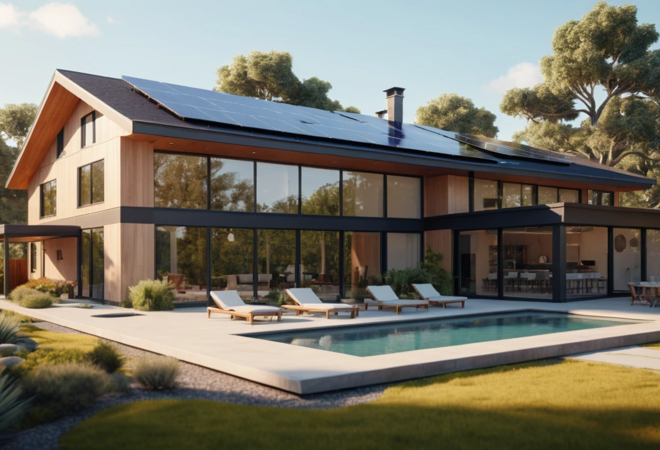
Energy-Efficient Upgrades That Pay for Themselves – Smart Ways to Save Big
Energy-Efficient Upgrades That Pay for Themselves can slash bills and boost comfort. Discover top home improvements that pay you back fast!
Energy-efficient upgrades that pay for themselves help you save on monthly bills while increasing home value. From insulation to smart thermostats, these improvements deliver quick returns and long-term comfort.
Energy-Efficient Upgrades That Pay For Themselves
Ever wondered if saving energy can actually make you money? It sounds too good to be true—but it’s not. The right energy-efficient upgrades can cut your utility bills, boost your home’s value, and even pay for themselves over time.
In this guide, we’ll explore smart, affordable improvements that deliver serious returns. You’ll learn which upgrades save the most money, how fast they pay off, and where to start first.
Why Energy Efficiency Matters More Than Ever
Energy costs are rising, and climate concerns are growing. Making your home more energy-efficient isn’t just about saving money—it’s about comfort, sustainability, and future-proofing your home.
Think of it like giving your house a health check-up. The right tweaks—like fixing drafts or upgrading appliances—can improve your home’s “energy fitness.” Plus, you get to enjoy lower bills every single month.
Insulation: The Unsung Hero Of Energy Savings
Insulation acts like a thermal blanket for your home. It keeps heat inside during winter and outside during summer.
When insulation is old or missing, your HVAC system works overtime. That means higher energy bills and wasted comfort. Adding insulation in your attic, walls, or crawl spaces is one of the fastest ways to see a return on investment.
Quick Payback Tip:
Upgraded attic insulation often pays for itself within 2–3 years, depending on your climate and energy rates.
️ Seal Air Leaks To Stop Wasting Energy
Small gaps can cause big losses! ️ Every door crack or window gap lets your heating and cooling escape. That’s like tossing money out the window—literally.
Use weatherstripping and caulk to seal leaks. Focus on windows, doors, and duct joints. It’s cheap, easy, and instantly effective.
Bonus: Proper sealing improves comfort and reduces noise, too!
Upgrade To An Energy-Efficient HVAC System
Old heating and cooling systems are major energy hogs. Replacing them with ENERGY STAR® certified units can cut utility bills by 20%–30%.
Modern HVAC systems use advanced compressors and variable-speed fans that adjust automatically. This means less energy waste and more even temperatures.
| Upgrade Type | Average Cost | Annual Savings | Payback Period |
| Central AC Replacement | $5,000–$7,000 | $400–$600 | 8–10 years |
| Heat Pump Upgrade | $4,000–$6,500 | $500–$800 | 6–8 years |
| Furnace Replacement | $3,500–$5,000 | $300–$500 | 7–9 years |
Replace Old Windows With Energy-Efficient Ones
Windows are responsible for up to 25% of heat loss in a typical home. Swapping them for double-pane or low-E windows dramatically improves insulation.
Energy-efficient windows keep indoor temperatures stable and block harmful UV rays. You’ll feel the difference right away—cooler summers, warmer winters, and lower bills.
Pro Tip: Add thermal curtains for extra insulation and a stylish look.
Smart Water Heaters Save More Than You Think
Traditional water heaters run all day, even when you don’t need hot water. Switching to a tankless or heat pump water heater can cut energy use by 30%–50%.
Tankless models heat water on demand, while heat pump models pull warmth from the air to heat water efficiently. Both options offer quick payback and long-term savings.
Solar Panels: The Ultimate Long-Term Investment
Solar energy is no longer just for tech enthusiasts—it’s mainstream. ☀️ Installing solar panels can reduce your electricity bill by 50%–90%, depending on your home’s energy use.
Even better? Federal tax credits and local rebates can help cover up to 30% of installation costs. Over time, solar panels not only pay for themselves but also add resale value to your home.
| System Size | Estimated Cost | Annual Savings | Payback Period |
| 4 kW | $9,000–$11,000 | $800–$1,200 | 7–9 years |
| 6 kW | $12,000–$15,000 | $1,200–$1,800 | 6–8 years |
| 8 kW | $16,000–$20,000 | $1,800–$2,500 | 6–7 years |
LED Lighting: Small Change, Big Impact
Still using incandescent bulbs? It’s time to switch! LED bulbs use up to 75% less energy and last 25 times longer.
Replacing your home’s lighting with LEDs can save hundreds each year—and it’s one of the fastest upgrades to pay off.
Fun fact: A single LED bulb can last up to 25,000 hours—that’s about 10 years of average use!
Install A Smart Thermostat For Effortless Savings
Smart thermostats learn your habits and adjust temperatures automatically. You can even control them from your phone .
They optimize heating and cooling schedules, so you only use energy when you need it. On average, homeowners save 10%–15% on heating and cooling bills annually.
| Thermostat Type | Cost | Avg. Savings/Year | Payback |
| Smart (Wi-Fi Enabled) | $150–$250 | $150–$200 | 1–2 years |
Low-Flow Fixtures: Save Water And Energy
Water heating eats up nearly 20% of your home’s energy. Installing low-flow showerheads and faucets reduces water waste without sacrificing pressure.
You’ll save on both water and heating costs—double the benefit!
Pro Tip: Look for WaterSense-labeled products. They’re certified to meet efficiency standards.
Landscaping For Energy Efficiency
Did you know trees can lower your energy bills? Planting shade trees near windows or the roof can reduce summer cooling needs by up to 30%.
In winter, evergreens can block cold winds and keep your home warmer. Strategic landscaping isn’t just pretty—it’s powerful.
Energy-Efficient Appliances That Pay Off
Your old fridge or washer might be quietly draining your wallet. Upgrading to ENERGY STAR® appliances saves both electricity and water.
While new appliances can be pricey upfront, their annual savings make them worth every penny.
Smart tip: Replace the oldest, most-used appliances first (like refrigerators and washing machines).
Reflective Roofing: Stay Cool And Save
Cool roofs use reflective materials to bounce sunlight away. This helps keep your home cooler in hot climates, reducing air conditioning needs.
It’s an especially smart upgrade if you live in the southern U.S. or areas with long summers.
Added Bonus: It extends roof life and improves indoor comfort.
Add Home Energy Storage For Maximum Benefit
Pairing solar panels with a battery storage system helps you store extra energy for nighttime use.
You’ll depend less on the grid and avoid peak-hour electricity rates. Though batteries can be expensive, they offer excellent long-term independence and security.
Compare ROI Of Top Energy Upgrades
Here’s a quick look at which energy-efficient upgrades deliver the fastest payback and highest ROI:
| Upgrade | Avg. Cost | Avg. Annual Savings | ROI/Payback |
| LED Lighting | $100 | $150 | < 1 year |
| Smart Thermostat | $200 | $180 | 1–2 years |
| Attic Insulation | $1,200 | $400 | 3 years |
| Heat Pump Water Heater | $2,500 | $500 | 5 years |
| Solar Panels | $15,000 | $1,500 | 7–9 years |
DIY Vs. Professional Energy Upgrades
Not every project needs a pro. You can easily handle weatherstripping, LED upgrades, and faucet replacements on your own.
However, bigger jobs like HVAC or insulation might require expert installation. A professional ensures safety, efficiency, and warranty coverage.
Tip: Combine DIY projects with one professional upgrade for a balanced, affordable energy plan.
The Hidden Benefit: A Greener Planet
Beyond the money, there’s a feel-good factor. Every upgrade helps reduce your home’s carbon footprint.
By consuming less energy, you’re contributing to cleaner air, lower emissions, and a more sustainable future.
It’s proof that saving money and saving the planet can go hand in hand.
Conclusion: Start Small, Save Big
You don’t need to do everything at once. Start with quick wins—LED lights, smart thermostats, sealing leaks—and build from there.
Each upgrade adds up, creating a more comfortable, efficient, and valuable home. The best part? Many of these energy-efficient upgrades pay for themselves faster than you think.
❓FAQs
- What are the fastest energy-efficient upgrades to pay off?
LED lighting, smart thermostats, and air sealing usually pay for themselves within a year or two through lower utility bills. - How do I know which upgrades my home needs most?
Start with an energy audit. It identifies where your home is losing energy and helps you prioritize the most cost-effective improvements. - Are there rebates for energy-efficient home upgrades?
Yes! Many states and utility companies offer rebates or tax credits for insulation, HVAC, solar, and appliance upgrades. - Do solar panels really pay for themselves?
Absolutely. With tax credits and energy savings, most homeowners recover their investment within 6–9 years, depending on usage and location. - Can small energy upgrades make a big difference?
Yes! Even simple actions like sealing drafts or switching to LEDs can noticeably lower your bills and boost comfort fast.