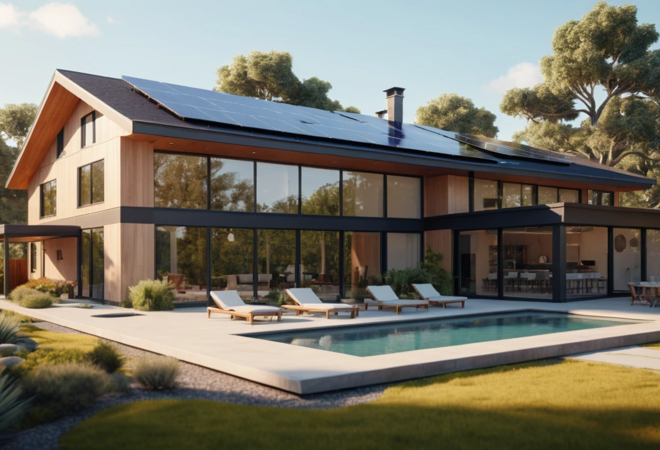
How Solar Panels Affect Home Value – Boost Your Resale Smartly
How solar panels affect home value and resale appeal in 2025. Discover real homeowner data, ROI insights, and tips to maximize your property’s worth.
Solar panels can increase home value by 4–6% on average, depending on your location, energy savings, and system ownership. Homes with solar tend to sell faster and for more money, offering both eco and financial benefits.
How Solar Panels Affect Home Value and Resale ☀️
Have you ever wondered if installing solar panels really makes your home worth more—or if it’s just an expensive eco-trend? With energy prices climbing and buyers getting smarter, that’s a question every homeowner wants answered.
The truth is, solar panels can significantly boost your home’s market value—but the actual impact depends on a few key factors like your state, installation quality, and whether you own or lease the system. Let’s break down exactly how solar influences home resale and what you can do to get the most out of it.
Understanding Why Solar Panels Affect Home Value
At their core, solar panels turn your house into an energy-producing asset. Homebuyers see long-term energy savings as immediate value. If your system is owned outright, it transfers that savings directly to them—making your property more appealing.
Real estate data from Zillow shows that homes with solar panels often sell for 4.1% more than comparable non-solar homes. In sunny states like California or Arizona, that premium can be even higher.
The Power of Energy Independence ⚡
One of the biggest perks of solar ownership is freedom from rising utility rates. Who doesn’t love lower electric bills?
- Solar homes can save up to $1,200–$2,000 per year on average.
- Buyers appreciate predictable energy costs.
- Eco-conscious millennials—now a major buying group—actively prefer green homes.
When you list your property, being able to say “no more high power bills” is a strong selling point that resonates emotionally and financially.
Owned vs. Leased Solar Systems: Big Difference!
Not all solar setups are equal in the eyes of buyers. Ownership matters—a lot.
| Ownership Type | Impact on Home Value | Buyer Perception |
| Owned System | Increases value (adds equity) | Viewed as a major asset |
| Leased System | Little to no value increase | May complicate sale |
| PPA (Power Purchase Agreement) | Neutral impact | Buyers cautious of contract terms |
If you own your panels outright, your home becomes a turn-key energy generator. But if you’re leasing, potential buyers may hesitate due to transfer paperwork or payment obligations.
How Location Influences Solar ROI
Your geographic location plays a huge role in how much solar adds to your home value. ☀️
For example:
- California, Florida, and Texas: Strong markets with generous sunlight and high electricity rates.
- Northeast states: Slightly lower ROI, but great for buyers who value sustainability.
- Midwest & Northern states: Less solar exposure but increasing demand due to energy cost awareness.
If your area supports solar incentives, buyers see that as an extra reason to pay more.
How Much Value Does Solar Really Add?
So, what’s the magic number? On average, solar panels add between $15,000 to $30,000 to a home’s resale price—depending on system size and local electricity rates.
Here’s a quick breakdown:
| System Size | Estimated Added Value | Typical Energy Savings |
| 4 kW | $9,000–$12,000 | $600–$800/year |
| 6 kW | $15,000–$18,000 | $1,000–$1,400/year |
| 8 kW+ | $20,000+ | $1,800–$2,500/year |
The key takeaway: The larger your system (and the sunnier your state), the greater your home’s resale bump.
Solar and Curb Appeal – The Aesthetic Factor
Modern solar panels are sleek, low-profile, and often blend right into your roof. Unlike bulky early designs, today’s systems enhance curb appeal—especially black-on-black panels on asphalt shingles.
Tip: If you’re selling soon, clean your panels before listing. Shiny panels reflect pride of ownership and a well-maintained home.
Impact on Time to Sell a Home
Studies reveal that homes with solar systems sell 20% faster than those without. Why? Buyers love turnkey savings and eco-efficiency.
When marketed correctly (highlighting reduced utility costs and sustainability benefits), solar homes stand out in crowded listings. Agents also report more buyer inquiries on properties with visible solar panels.
Appraisers Are Catching Up With Solar Trends
Real estate appraisers now use green valuation tools to calculate solar’s worth more accurately. If your appraiser is trained in energy efficiency valuation, your system’s contribution is more likely to be recognized in your official appraisal.
Always provide:
- Installation invoices
- Ownership documents
- System performance reports
These details help prove the tangible value your solar investment brings.
Understanding Payback Periods and ROI
Your payback period is the time it takes for solar savings to offset installation costs. Most homeowners break even within 6–10 years, after which energy becomes virtually free.
Once the system pays for itself:
- Every dollar saved boosts your equity.
- You enjoy decades of reduced bills.
- Buyers see proven financial returns—not just “green appeal.”
Federal and State Incentives That Increase Value
Government incentives make solar even more attractive to buyers. Here’s a snapshot:
| Incentive Type | Description | Value to Homeowners |
| Federal Solar Tax Credit (ITC) | 30% credit on system cost | Major upfront savings |
| Net Metering | Sell excess energy back to grid | Ongoing credit or cash |
| Local Rebates | City or utility-based discounts | Encourages adoption |
When you sell your home, these incentives translate into reduced energy costs and greater buyer interest.
The Environmental Appeal
Sustainability is no longer a niche trend—it’s mainstream. Eco-conscious buyers often prioritize homes with renewable energy systems.
Solar homes:
- Cut carbon footprints by up to 3–4 tons per year.
- Reduce strain on local grids.
- Align with modern values of responsible living.
In real estate terms, this “green image” has become an emotional selling factor.
Potential Drawbacks to Be Aware Of ⚠️
While solar offers great upside, there are a few considerations:
- Roof Age: Installing solar on an old roof may complicate future repairs.
- System Ownership: As mentioned, leased systems may deter some buyers.
- Neighborhood Comparisons: If solar is rare in your area, you might need to educate buyers on benefits.
These aren’t deal-breakers—just factors to plan for ahead of a sale.
Tips to Maximize Solar’s Impact on Resale
Before listing your home, take these simple steps:
- Show proof of ownership and savings history.
- Promote energy efficiency in your listing description.
- Highlight eco features like smart thermostats or EV chargers.
- Schedule a professional solar inspection for peace of mind.
The more transparent and data-backed your presentation, the higher your selling potential.
Real Homeowner Experiences
Across the U.S., thousands of homeowners have reported strong returns from solar.
For instance:
“We sold our Arizona home in just 10 days—buyers loved the zero electric bill!”
Another Florida homeowner noted:
“Our appraiser added nearly $18,000 for our 6 kW system. Best investment we made.”
These real-world stories prove solar’s growing influence in real estate.
Future-Proofing Your Home with Solar
Energy independence is the future. As fossil fuel costs rise and electric vehicle ownership grows, solar-ready homes will become even more desirable. Adding battery storage (like Tesla Powerwall) can further boost appeal.
If you plan to sell within the next decade, installing solar now sets you up for stronger resale value and lower living costs in the meantime.
Conclusion: Is Solar Worth It for Home Value?
Absolutely—solar panels do increase home value and resale appeal, especially when owned outright and paired with strong energy savings. The combination of financial, environmental, and lifestyle benefits makes solar one of the smartest home upgrades you can make.
In short: solar isn’t just about saving the planet—it’s about building your home’s future value today.
FAQs
- How much do solar panels increase home resale value?
Solar panels typically increase home resale value by 4–6% on average, depending on system size, age, and ownership status. - Do leased solar panels affect selling a house?
Yes. Leased panels can make selling slightly harder since buyers must assume or renegotiate the lease. Owned systems are much more attractive. - Is it harder to sell a home with solar panels?
Not usually. In fact, homes with solar often sell faster—especially when buyers understand the savings potential. - How long before solar panels pay for themselves?
Most systems pay for themselves in 6–10 years through energy savings and incentives. After that, the power you generate is essentially free. - Does solar installation increase property taxes?
In most states, no—solar systems are exempt from property tax increases even though they add value. Always check your local laws.