How to Plan a Home Renovation Like a Pro – Smart & Easy Guide
How to plan a home renovation the right way! Learn smart steps, budgeting tips, and design ideas to transform your space with confidence.
To plan a home renovation, start by setting a realistic budget, defining your goals, hiring the right contractors, and creating a step-by-step timeline. Careful planning ensures your project stays on schedule and within budget.
How To Plan A Home Renovation
Ever dreamed of giving your home a fresh, new look but didn’t know where to start? Planning a home renovation can feel overwhelming — between costs, contractors, and design decisions, it’s easy to get lost. But guess what? With the right plan, you can make it smooth, exciting, and totally worth it!
Let’s break down how to plan a home renovation step-by-step — from budgeting and permits to design and project management — so your dream home becomes a reality without the stress.
Understand Your Renovation Goals
Before you grab that paintbrush, take a step back and think — why are you renovating?
- Do you want to increase your home’s value before selling?
- Need more space for your growing family?
- Or maybe you’re just craving a modern update?
Be specific about what you want to achieve. Knowing your “why” helps guide every decision — from materials to layouts. Write down your goals and rank them by importance.
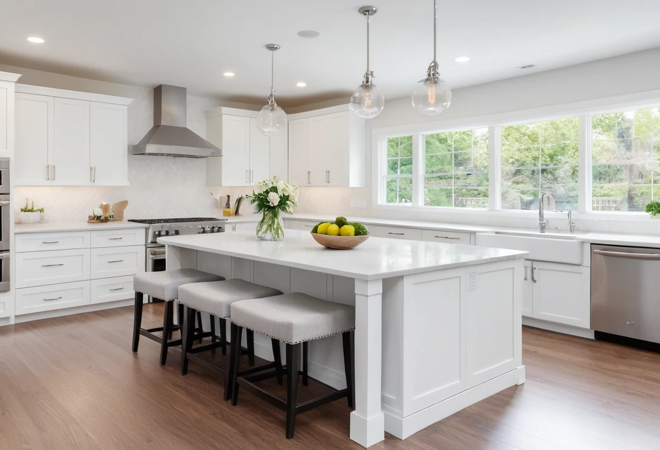
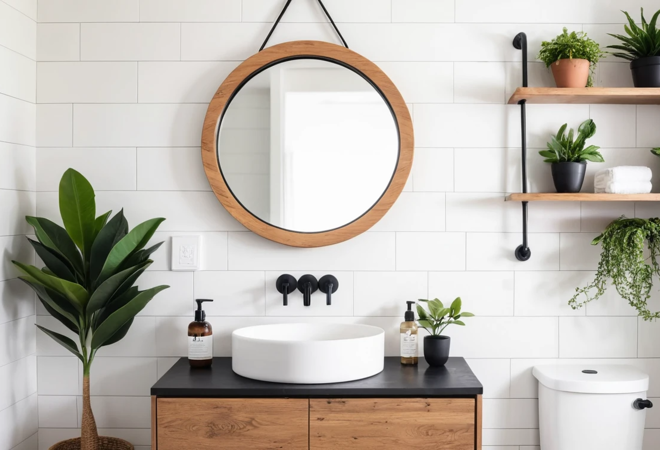
Tip: Focus on high-impact areas first like kitchens, bathrooms, and flooring — they offer the best return on investment.
Set A Realistic Budget
Budgeting is where most homeowners either thrive… or panic. Start by figuring out how much you can afford to spend.
Include:
- Labor and materials
- Permits and inspections
- Unexpected costs (10–20% buffer)
Pro tip: Always get multiple quotes from contractors before finalizing. Prices can vary wildly!
| Renovation Area | Average Cost (USD) | ROI Potential |
| Kitchen Remodel | $15,000–$40,000 | High |
| Bathroom Upgrade | $6,000–$15,000 | Medium |
| Living Room Update | $2,000–$10,000 | Moderate |
| Roof Replacement | $8,000–$12,000 | High |
Remember: Quality matters more than cutting corners. Cheap work now can cost you big later.
Do Some Inspiration Research ️
Before starting, explore different styles. Browse Pinterest, home magazines, or even your friends’ houses for ideas.
Create a vision board of what you love — colors, finishes, and layouts. Seeing it all in one place helps you communicate your dream clearly to designers and contractors.
Also, keep functionality in mind. A beautiful space that doesn’t work for your lifestyle isn’t truly an upgrade.
Decide What To DIY And What To Hire ♂️
Let’s be real — not everything needs a contractor. Some tasks you can handle yourself to save money.
DIY-Friendly Jobs:
- Painting walls
- Installing shelves
- Landscaping
Hire A Pro For:
- Electrical wiring
- Plumbing
- Structural changes
| Task Type | DIY or Pro | Risk Level |
| Painting | DIY | Low |
| Electrical Work | Pro | High |
| Flooring Installation | Both | Medium |
| Demolition | DIY (With Safety Gear) | Medium |
Know your limits — your safety (and your home’s) isn’t worth the risk.
Create A Step-By-Step Timeline
A renovation without a timeline is like a road trip without a map. Plan every phase in order:
- Design and planning (2–4 weeks)
- Permits and approvals (1–3 weeks)
- Demolition (1 week)
- Construction (varies by project)
- Finishing and inspections (1–2 weeks)
Stay flexible — delays happen. But having a timeline keeps things moving and avoids chaos.
Get The Necessary Permits ️
Depending on your location, you might need permits for major renovations like:
- Structural changes
- Electrical upgrades
- Additions or extensions
Skipping permits can lead to fines or failed inspections later. Check with your local building authority before you start swinging hammers.
Choose The Right Contractors
Hiring the right people is everything. Don’t just go with the cheapest bid.
Ask contractors for:
- Proof of license and insurance
- References from past clients
- A written estimate and contract
Trust your gut — if someone seems unprofessional during the quote stage, it might get worse later.
Plan Your Design And Layout
This is the fun part! Once your team is set, work on the design details.
Think about:
- Open layouts for better flow
- Natural lighting
- Storage solutions
- Durable yet stylish materials
Keep function first, style second. A well-designed home should feel good and make life easier every day.
Shop Smart For Materials
Prices can fluctuate depending on season and supply. Shop around — compare local stores, online suppliers, and discount warehouses.
Look for:
- Sales on bulk items
- Recycled or reclaimed materials
- Energy-efficient products
Eco-friendly materials not only save energy but also make your home healthier.
Prepare For Living Disruptions
Renovation is messy. Dust, noise, and blocked rooms are part of the deal.
Decide where you’ll stay if it’s a major project. If you’re living on-site:
- Seal off construction zones
- Use portable storage
- Set up a temporary kitchen if needed
Stay patient — a little discomfort now leads to big satisfaction later.
Track Progress And Expenses
Keep tabs on spending and progress weekly. Use a spreadsheet or an app to track all payments and deliveries.
| Tracking Tool | Best For | Cost |
| Google Sheets | Budget Tracking | Free |
| Trello | Task Management | Free |
| HomeZada | Project Tracking | Paid |
| CoConstruct | Contractor Collaboration | Paid |
Regular check-ins prevent surprises and help you stay within budget.
Communicate Clearly With Your Team
Miscommunication is one of the biggest renovation killers. Talk openly with your contractor. Ask for updates. Don’t assume anything.
If something feels off — speak up early. It’s easier to fix a small issue today than a big one tomorrow.
Handle Unexpected Problems Calmly
Even the best plans hit bumps — hidden mold, wiring issues, or weather delays. Instead of panicking, keep perspective.
Use your contingency budget for these moments. And remember — every renovation has hiccups. It’s how you manage them that makes the difference.
Focus On Safety First ⚠️
Whether DIY or professional work, always follow safety rules.
- Wear protective gear
- Keep kids and pets away from work zones
- Turn off utilities when working
A safe site means fewer accidents and faster progress.
Add Finishing Touches ✨
You’re almost there! Once construction wraps up, it’s time for decor.
Think:
- New curtains or blinds
- Wall art and indoor plants
- Lighting that sets the mood
These small touches tie your space together and make it truly yours.
Review And Enjoy Your New Space
Before you celebrate, walk through the finished project with your contractor. Check every detail — from paint edges to door hinges.
If something isn’t right, address it before final payment. Once all’s good — it’s time to enjoy your stunning new home!
Conclusion
Planning a home renovation doesn’t have to be overwhelming. With clear goals, a smart budget, and the right people on your team, you can transform your space confidently. Remember — the secret to a smooth renovation is planning ahead and staying flexible.
So go ahead — start dreaming, start planning, and start building your perfect home.
FAQs
How Do I Start Planning A Home Renovation?
Begin by setting clear goals, defining your budget, and researching ideas. Then hire a licensed contractor to help design and manage the project.
What Is The First Step In Renovating A House?
The first step is assessing your home’s needs and creating a realistic plan. Identify which rooms need the most work before spending a dollar.
How Do I Budget For Home Renovation?
Set a total spending limit, list all potential costs, and add a 10–20% buffer for surprises. Track expenses weekly to stay on target.
How Long Does A Home Renovation Take?
It depends on the project size — small remodels take a few weeks, while full-house renovations can take several months.
Is It Cheaper To Remodel Or Build New?
Usually, remodeling is cheaper unless your house has major structural issues. Always compare renovation vs. rebuild costs before deciding.
Once you’ve decided to renovate your home, you should prioritize the parts of the house that need repair first. This will protect the structure of your home and stop it from further degeneration. If you’re renovating one room, don’t work on another. Rewiring and replastering are two areas that require more work. If you’re unsure of the specifics, you’ll need to hire a professional.