
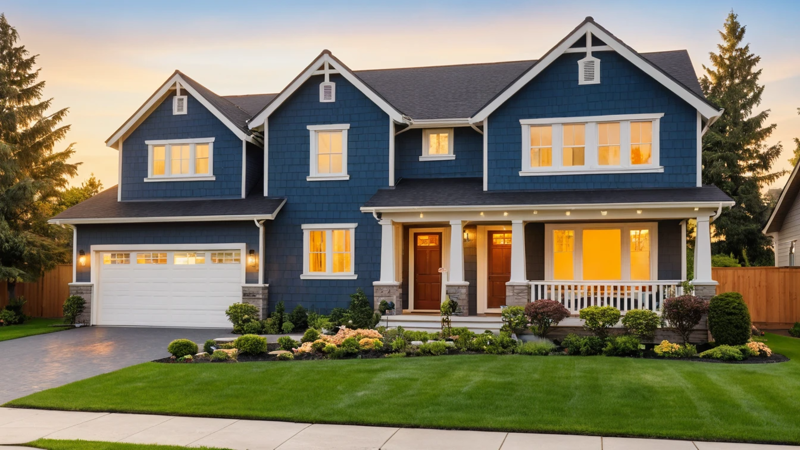
How To Price Your Home Right – Proven Tips For Fast & Profitable Sale
How to price your home right in any market using smart strategies that attract buyers fast and help you sell for top dollar.
Learn how to price your home right in any market by understanding local trends, comparing comps, and adjusting for buyer behavior. Use smart strategies to attract offers fast and sell at the best possible price.
How To Price Your Home Right In Any Market
Have you ever wondered why some homes sell within days while others sit for months with no offers?
It all comes down to one thing—pricing. Get the price right, and buyers come running. Get it wrong, and your listing goes cold fast.
In any market—hot, balanced, or slow—pricing your home correctly is the single most powerful move you can make. Let’s break down exactly how to do that, step-by-step, so you can sell smart and profit big.
Understand The True Goal Of Pricing
When selling, most people aim high, hoping to “leave room to negotiate.” Sounds logical, right? But in reality, overpricing often backfires.
Buyers scroll right past homes they feel are overpriced, and the longer your home sits, the less appealing it becomes.
Your goal isn’t just to find one buyer. It’s to attract multiple interested buyers who create competition. The right price sparks urgency and can even lead to bidding wars.
Know Your Market Type
Before setting a price, you need to know what kind of market you’re in. Real estate markets shift constantly—what worked last year may not work today.
Here’s a quick breakdown
| Market Type | Description | Best Pricing Strategy |
| Seller’s Market | Demand is high, supply is low | Price slightly above comps |
| Buyer’s Market | More homes than buyers | Price competitively below comps |
| Balanced Market | Equal supply and demand | Match recent comparable sales |
Understanding where your local market stands gives you the foundation for accurate pricing.
Study Recent Comparable Sales (“Comps”)
The first step in any pricing strategy is checking the comps—recently sold homes similar to yours in size, style, and location.
Look at sales within the last 3–6 months for the most accurate picture.
Focus on:
- Square footage and lot size
- Number of bedrooms/bathrooms
- Age and condition of the property
- Neighborhood features
Comps reveal what buyers are actually willing to pay, not what sellers hope to get.
Avoid Emotional Pricing ❤️
It’s normal to feel attached to your home, but emotions don’t add market value.
Buyers don’t care that you remodeled the kitchen yourself or raised your kids there. They care about value, price, and presentation.
Keep your emotions in check:
- Think like a buyer, not an owner
- Compare data, not memories
- Ask your agent for an objective opinion
Emotional pricing kills deals. Smart pricing builds them.
Consider Your Home’s Condition
Condition directly impacts value. A freshly updated home can command a premium, while one needing work must be priced accordingly.
Here’s how upgrades affect pricing potential:
| Condition Level | Buyer Perception | Suggested Pricing Strategy |
| Move-in Ready | High appeal | Price at or slightly above comps |
| Average | Moderate appeal | Price right at comp level |
| Needs Updates | Low appeal | Price below comps for quick sale |
Even small fixes—like new paint, light fixtures, or landscaping—can boost perceived value dramatically.
Understand Local Buyer Psychology
Pricing isn’t just math—it’s psychology.
Buyers are influenced by how prices feel, not just what they are.
For example:
- A price of $499,900 looks significantly cheaper than $500,000.
- Homes priced just below round numbers attract more clicks online.
Use “charm pricing” to your advantage and create a sense of deal value.
Leverage A Professional Home Appraisal
An appraisal gives you a data-backed opinion of value from a licensed expert.
It’s especially useful if your property is unique or in a fluctuating market.
Appraisers consider:
- Recent comparable sales
- Neighborhood trends
- Home improvements and condition
Spending a few hundred dollars upfront can prevent thousands in lost value later.
Analyze Online Pricing Data
Buyers start online—so you need to meet them there.
Check sites like Zillow, Realtor.com, and Redfin to see how similar homes are priced and how long they’ve been on the market.
Watch for patterns:
- Which homes sell fast?
- Which ones linger?
- What price range gets the most activity?
This digital research gives insight into real-time buyer behavior.
Use Strategic Price Bands
Real estate portals sort listings into price bands (e.g., $400K–$450K, $450K–$500K).
Pricing just below a band—say, $449,900 instead of $455,000—can place your home in more search results and attract extra views.
Always think from a buyer’s browsing perspective when finalizing your listing price.
Account For Seasonal Shifts ️
Yes, timing matters.
Homes generally sell faster in spring and summer when buyers are most active. Fall and winter can be slower but less competitive.
Adjust your price slightly to match the season:
- Spring/Summer: You can be firmer on price.
- Fall/Winter: Consider small reductions to draw in limited buyers.
Timing + pricing = the ultimate power combo.
Be Prepared To Adjust Quickly
Even a well-priced home might need tweaking if the market changes.
If you’re not getting showings or offers after 2–3 weeks, it’s time to reassess.
A small 2–3% price drop can often reignite interest and push your listing back to the top of search results.
Market Presentation Matters Too
Price gets buyers interested, but presentation seals the deal.
A $500K home with poor photos will lose to a $480K home that shines online.
Checklist for strong first impressions:
- Professional photos (a must!)
- Clean, staged rooms
- Highlight upgrades in the listing description
Remember, buyers shop with their eyes first.
Work With A Skilled Real Estate Agent
An experienced agent knows how to balance data and market instinct.
They track trends daily, run CMA reports, and know what local buyers value most.
Benefits of hiring an agent:
- Access to accurate MLS data
- Skilled negotiation tactics
- Emotional detachment for objective pricing
The right agent can literally make or save you tens of thousands.
Price For The First 30 Days
The first month is critical.
Homes get the most online exposure and showing activity in the first 30 days.
After that, momentum drops, and buyers start wondering, “What’s wrong with it?”
Tip: Set your price to attract a wave of buyers immediately.
If you need to adjust, do it early—before your listing goes stale.
Understand The Cost Of Overpricing
Overpricing is one of the biggest mistakes sellers make. It can:
- Extend time on the market
- Force multiple price cuts
- Create a “stale listing” stigma
- Lead to lower final offers
Ironically, overpriced homes often sell for less than if they were priced correctly from day one.
| Overpricing Outcome | Impact on Sale |
| Long days on market | Lower buyer confidence |
| Price cuts | Reduced urgency |
| Fewer showings | Limited exposure |
| Appraisal issues | Risk of deal falling through |
Start realistic, and let buyer demand work in your favor.
Review Competing Listings Weekly
Markets move fast, so stay proactive.
Review your competition every week to see what’s new, pending, or sold.
Ask yourself:
- How do their photos and prices compare?
- Are new listings undercutting you?
- Is demand increasing or cooling off?
Staying informed helps you make timely adjustments.
Use Data + Emotion Together For Perfect Pricing
The best pricing strategy blends data-driven logic with a feel for human behavior.
Numbers guide you, but intuition tells you when the market’s shifting.
Trust your data first—then adjust based on response.
If your listing gets lots of showings but no offers, the market’s sending you feedback.
Final Thoughts: Price Smart, Sell Fast, Stress Less
Pricing your home right isn’t just about numbers—it’s about strategy, timing, and perception.
When you mix solid research with emotional intelligence, you’ll find that “sweet spot” price that makes buyers rush to view your home.
Remember:
- Price attracts. Presentation sells.
- Data drives decisions. Emotions close deals.
With the right approach, you’ll not only sell faster—you’ll sell smarter.
FAQs
- How do I know if my home is overpriced?
If you’re not getting showings or offers within the first few weeks, your price may be too high. Compare with nearby recent sales and adjust based on feedback. - Should I price my home higher to leave room for negotiation?
Not always. Overpricing can scare off serious buyers. It’s better to price competitively and let demand drive your final sale price. - What’s the best time of year to sell a home?
Spring and early summer are typically the hottest seasons for home sales. However, with the right strategy, you can sell successfully any time of year. - How often should I review my home price?
Review every 2–3 weeks. If there’s little activity, consider a small reduction to stay competitive in your local market. - Is a professional appraisal worth it before listing?
Yes. An appraisal gives you a clear, unbiased market value and can prevent costly pricing mistakes later on.


![How To Sell Your Home For Cash Fast [Infographic]](https://realestaterr.com/wp-content/uploads/2022/03/How-to-Sell-Your-Home-For-Cash.jpg "How To Sell Your Home For Cash Fast [Infographic] 4")