Sustainable Landscaping Tips – Smart Ideas That Save Water Fast
Sustainable landscaping tips that save water while keeping your yard beautiful. Learn easy, eco-friendly ways to cut water use.
Sustainable landscaping tips that save water focus on designing a yard that uses fewer resources, thrives naturally, and reduces long-term maintenance by working with your climate, not against it.
Have you ever wondered why your yard seems to “drink” more water than it should—even when you’re trying to conserve? Many homeowners face the same challenge, especially in dry or unpredictable climates. The good news is that sustainable landscaping makes water conservation simple, practical, and surprisingly affordable.
The key idea is this: you can save thousands of gallons of water each year just by changing how you plant, water, and maintain your yard. And the best part? Your landscape can still look lush, colorful, and inviting .
Below are the most effective, easy-to-follow tips to make your outdoor space both beautiful and water-smart.
Sustainable Landscaping Tips That Save Water
Choose Native Plants For Natural Water Savings
Native plants are the foundation of a water-friendly landscape. They evolved to thrive in your local climate, which means they need less watering, fewer chemicals, and minimal maintenance.
Native plant gardens naturally attract wildlife like bees and butterflies , improving biodiversity. Plus, they stay healthier through seasonal changes because they’re adapted to local soil, rainfall, and temperature patterns. With the right selection, you end up with a beautiful yard that’s both eco-friendly and resilient.
Use Drought-Tolerant Plants For Low-Water Landscaping
Drought-tolerant plants are perfect for areas with long, dry summers. They store water in their leaves and roots, helping them survive with minimal irrigation.
You can mix drought-friendly shrubs, succulents, ornamental grasses, and perennials for texture and color. These plants also reduce how often you need to water, making them ideal for busy homeowners.
Popular Drought-Tolerant Choices
| Plant Type | Examples | Water Needs |
| Succulents | Aloe, Sedum, Agave | Very Low |
| Shrubs | Lavender, Rosemary, Oleander | Low |
| Grasses | Blue Fescue, Purple Fountain Grass | Low to Moderate |
Group Plants By Water Needs (Hydrozoning)
Hydrozoning helps you avoid overwatering by placing plants with similar water requirements together. This reduces waste and ensures your plants get exactly what they need.
Put high-water plants near the house (where shade is common) and keep drought-loving plants in sunny zones. You’ll create a landscape that waters more efficiently and evenly.
Install Drip Irrigation For Efficient Watering
Drip irrigation delivers water directly to plant roots, where it’s needed most. Unlike sprinklers, it doesn’t waste water through misting or evaporation.
This system is easy to install and works great in vegetable gardens, shrub beds, and flower borders. Best of all, drip irrigation can cut water use by up to 50%.
Add A Smart Irrigation Controller For Automation
Smart irrigation controllers monitor weather and soil moisture. They adjust watering schedules automatically, ensuring your yard never gets more water than it needs.
These systems help you avoid watering during rain or hot, windy days when evaporation is high. It’s one of the easiest ways to modernize your landscape and save water instantly.
Improve Soil Health With Compost And Mulch
Healthy soil holds water longer, reducing how often you need to irrigate. Compost improves soil structure and adds nutrients, boosting your plants’ root development.
Mulch helps keep the soil cool in summer and prevents water evaporation. It also suppresses weeds that compete with your plants for moisture.
Benefits of Mulching
| Benefit | Why It Matters |
| Reduces evaporation | Saves water daily |
| Prevents weeds | Less moisture competition |
| Moderates soil temperature | Protects roots in heat |
| Improves soil | Breaks down into nutrients |
Use Groundcovers To Reduce Water Loss
Groundcovers create a natural “living mulch” that shades soil and conserves moisture. Many groundcovers are drought-resistant and spread quickly to fill empty spaces.
They work well on slopes, shady areas, and places where grass struggles to grow. Plus, they help prevent erosion and boost curb appeal.
Reduce Lawn Areas To Save Thousands Of Gallons
Lawns are the biggest water guzzlers in most yards. Reducing your grass area, or switching to low-water grass varieties, can drastically cut your water needs.
Try replacing part of the lawn with gravel, mulch beds, or native gardens. Even removing a small section of grass can make a big difference in water use.
Choose Permeable Hardscaping For Better Drainage
Permeable hardscaping lets rainwater soak into the ground instead of running off. Paths, patios, and driveways made with materials like gravel or permeable pavers help replenish groundwater.
This reduces the need for supplemental watering and minimizes yard flooding during storms.
Collect Rainwater For Free Irrigation ️
Rain barrels and cisterns capture runoff from your roof, giving you free water to use on your plants. Even a single rainstorm can fill a barrel.
Use collected rainwater for garden beds, pots, and shrubs. It’s soft, chemical-free water that plants love .
Plant Shade Trees To Cool Your Yard
Shade trees reduce heat around your home and landscape, which helps slow evaporation. Cooler soil means your plants stay hydrated longer.
Plant trees on the south or west sides of your property to give your home natural cooling. This also helps reduce energy costs in summer.
Design With Windbreaks To Reduce Evaporation
Strong winds can dry out soil and plants quickly. Planting hedges or installing fences creates natural windbreaks that help your landscape retain moisture.
Windbreaks also protect fragile plants from harsh weather and create comfortable outdoor spaces.
Water Early In The Morning For Best Absorption ☀️
Morning watering reduces evaporation and gives plants time to drink before daytime heat. It also helps prevent fungal growth that often comes with nighttime watering.
Aim for before 10 a.m. to maximize water efficiency. This small habit change can save gallons every week.
Switch To Organic Fertilizers For Healthier, Water-Efficient Plants
Organic fertilizers help plants grow stronger roots, which reach deeper water sources. Healthy roots mean better drought tolerance and less frequent watering.
Synthetic fertilizers, on the other hand, can weaken soil over time. Choosing organic supports long-term soil and water health.
Quick Fertilizer Comparison
| Type | Pros | Cons |
| Organic | Improves soil, long-lasting, eco-friendly | Slower results |
| Synthetic | Fast action, easy to find | Can harm soil and increase watering needs |
Replace High-Water Plants With Climate-Adapted Options
Some plants simply use too much water. Replacing them with climate-adapted alternatives helps lower your overall usage.
Look for plants bred for drought resistance, heat tolerance, or low maintenance. These are great choices for modern, eco-conscious homes.
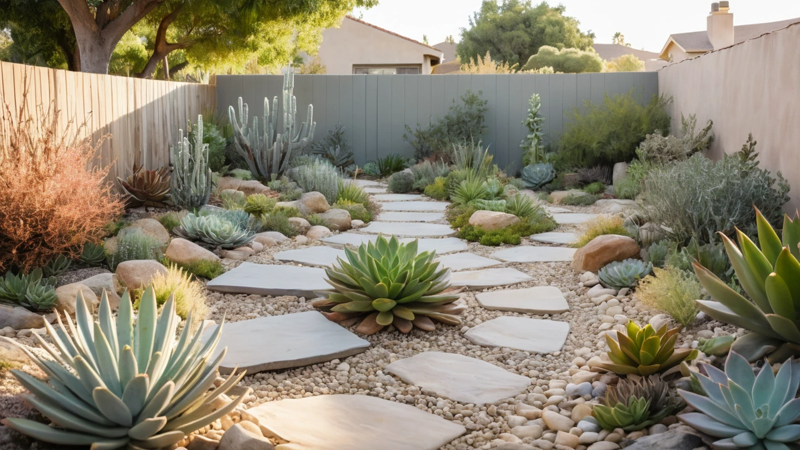
Add Rock Gardens For A Stylish, Low-Water Yard
Rock gardens combine stones, succulents, and drought-tolerant plants for a beautiful, low-water landscape. They work well in dry climates and add texture and color.
Rocks help retain soil moisture and reduce watering. It’s a stylish option that blends nature and design effortlessly.
Create Edging To Keep Water Where You Want It
Edging keeps mulch and water inside garden beds instead of letting it spill onto sidewalks. This helps water soak into the soil around your plants.
You can use metal, stone, plastic, or wood edging. Choose a style that matches your landscape design.
Conclusion
Sustainable landscaping doesn’t mean giving up a beautiful yard. With the right plants, smart watering strategies, and simple design choices, you can conserve thousands of gallons of water each year. These water-saving tips help your yard thrive naturally—without wasting resources or raising your utility bills. Start small, stay consistent, and enjoy a greener, more efficient landscape .
FAQs
What are easy water-saving landscaping tips?
Start by adding mulch, switching to drip irrigation, and choosing native plants. These simple steps can cut water use fast. Most homeowners see noticeable savings within weeks.
How can I make my yard more drought-tolerant?
Use drought-resistant plants, reduce lawn area, and enrich your soil with compost. These changes help your landscape hold moisture longer. You’ll also reduce maintenance year-round.
Do native plants really save water?
Yes, native plants need less water because they’re adapted to your local climate. They handle heat and soil changes better than non-native types. Over time, they become almost self-sustaining.
Is drip irrigation better than sprinklers?
Drip irrigation delivers water directly to roots, so less is wasted. It also reduces evaporation and runoff. Many homeowners cut water use by up to 50%.
How can I use less water on my lawn?
Water early in the morning, mow at a higher setting, and overseed with drought-resistant grass. These changes help your lawn retain moisture. You’ll water less and still keep it green.