Top Maintenance Tips For Rental Properties – Smart Strategies For Happy Tenants
Top maintenance tips for rental properties to prevent costly repairs and keep tenants happy. Learn simple, proactive steps every landlord should follow.
Top maintenance tips for rental properties include routine inspections, seasonal upkeep, fast repairs, and strong communication with tenants. These steps reduce costs, prevent emergencies, and keep rental homes in excellent condition.
Top Maintenance Tips For Rental Properties
Have you ever wondered why some rental properties stay in great shape for years while others fall into chaos? The truth is simple: smart landlords focus on proactive maintenance, not emergency fixes.
If you’re looking for the best ways to protect your investment, reduce repair expenses, and keep tenants satisfied, this guide walks you through everything you need to know—step by step.
Understand The Importance Of Preventative Maintenance
Preventative maintenance is the backbone of successful property management. It helps you catch small issues before they turn into expensive nightmares. When you plan ahead, you save money and avoid tenant frustration.
This type of maintenance also builds trust. Tenants appreciate landlords who care about keeping the home safe and functional. A well-maintained property also attracts long-term renters, reducing costly turnover.
Schedule Regular Property Inspections
Consistent inspections allow you to track the true condition of your rental. Aim for seasonal or quarterly check-ins to stay ahead of problems. These inspections don’t have to be intrusive—just thorough enough to catch wearing parts.
During each visit, look for leaks, mold, safety hazards, and structural concerns. Keeping records of every inspection helps you track changes over time and plan future upgrades.
Handle Repairs Quickly To Keep Tenants Happy ⚡
Nothing frustrates tenants faster than slow repairs. When issues pop up, respond quickly so the small repair doesn’t grow into a bigger bill. Fast communication also shows professionalism and reduces tension.
Even if you can’t fix the issue immediately, provide updates. Tenants feel more secure when they know their landlord is actively working on the problem.
Maintain Heating And Cooling Systems Regularly ❄️
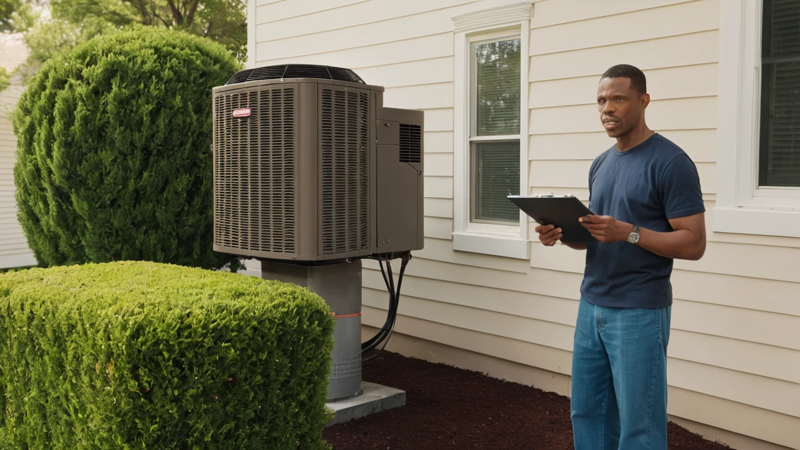
HVAC systems take a beating, especially in states with extreme temperatures. Regular servicing helps the system run smoothly and extends its lifespan. Schedule tune-ups at least twice a year: once before winter and once before summer.
Encourage tenants to change filters monthly. A clean filter improves air quality and cuts down on energy costs—often by a surprising amount.
Here’s a quick comparison you’ll find helpful:
Average HVAC Maintenance Tasks And Frequency
| Maintenance Task | Recommended Frequency | Benefit |
| Replace Air Filters | Monthly | Better airflow & efficiency |
| Professional Tune-Up | Twice yearly | Fewer breakdowns |
| Clean Air Ducts | Every 2–3 years | Reduces allergens |
| Check Thermostat | Seasonally | More accurate temperature control |
Protect Your Investment With Seasonal Upkeep
Each season brings new challenges. Fall requires gutter cleaning, while summer may call for landscaping care. Staying ahead of seasonal changes helps prevent long-term damage.
Create a reliable checklist for each season. This is especially helpful if you manage multiple properties and need a consistent maintenance process.
Keep Gutters And Downspouts Clean
Clogged gutters cause water damage, foundation issues, and roof leaks. Cleaning them at least twice a year prevents these problems and keeps drainage flowing smoothly.
While it may seem small, this task can save thousands in repairs. Make it a standard part of your property maintenance routine.
Inspect Plumbing Systems To Avoid Water Damage
Plumbing issues often begin quietly—slow leaks, dripping faucets, or low water pressure. These problems can spread quickly and cause mold or structural damage. Regular checks keep plumbing healthy and efficient.
Encourage tenants to report any unusual sounds or water changes. The sooner you catch the issue, the smaller the repair bill.
Care For Roofing And Exterior Surfaces
The roof is one of your property’s biggest investments. Inspect it after major storms or heavy snow. Look for missing shingles, cracks, or soft spots that may indicate water damage.
Exterior siding also needs periodic checks. Peeling paint or damaged boards should be repaired quickly to keep the structure weatherproof.
Keep Appliances Running Smoothly In The Rental
Appliances wear out faster in rentals because multiple tenants use them differently. Regular cleaning and inspection extend their life and reduce replacement costs. Encourage tenants to report unusual noises or performance issues.
Consider replacing older appliances with energy-efficient models. They lower utility costs and attract higher-quality renters who appreciate upgraded features.
Maintain Electrical Safety Throughout The Home ⚡
Faulty wiring or overloaded circuits can be dangerous. Make sure outlets, breakers, and switches are in working order. Older properties may require inspections from a licensed electrician.
Teach tenants basic safety reminders like avoiding overloaded power strips. A safe property protects both tenants and your investment.
Keep Landscaping Clean And Well-Maintained
A clean yard enhances curb appeal and keeps the property inviting. Trim shrubs, remove debris, and maintain lawns regularly. Good landscaping also prevents pests from nesting near the home.
If you allow tenants to handle yard care, include clear guidelines in the lease. Miscommunication can lead to overgrown lawns or damaged plants.
Manage Pest Control Before It Becomes A Problem
Pests can enter through tiny cracks, and once inside, they multiply fast. Regular pest inspections prevent infestations and reassure tenants. Look for signs of droppings, nests, or gnawed materials.
Seal entry points and treat problem areas quickly. Prevention is far easier than removing an established infestation.
Create A Maintenance Checklist For Organization
A well-structured checklist keeps everything running smoothly. It ensures nothing gets overlooked and keeps maintenance predictable. Using a digital checklist makes coordination easier.
Here’s an example of what landlords often include:
Sample Rental Property Maintenance Checklist
| Category | Tasks | Frequency |
| Interior | Test smoke detectors, review plumbing, check appliances | Monthly |
| Exterior | Clean gutters, inspect roof, landscaping | Seasonal |
| Safety | Check fire extinguishers, inspect locks | Twice yearly |
Encourage Tenants To Report Issues Right Away
Tenants often ignore small issues to avoid bothering the landlord. Encourage open, friendly communication so problems don’t grow. Make the reporting process simple, like using text, email, or a portal.
Building trust creates a healthier landlord-tenant relationship. When tenants know you listen, they’re more likely to care about the property.
Set Aside A Maintenance Budget For Emergencies
Unexpected repairs happen, even with great planning. A dedicated maintenance fund prevents stress and delays. Many experts suggest saving 1% of the property value per year for upkeep.
A budget also helps you replace old systems without dipping into personal savings. Keeping finances organized ensures smooth operations.
Use Professional Services When Needed ️
Some tasks require expert hands. Hiring licensed contractors ensures repairs meet safety standards and last longer. Professionals can also spot hidden issues that untrained eyes miss.
While DIY repairs may seem cheaper, poor work leads to repeated problems. Investing in reliable pros pays off in the long run.
Document Everything For Future Reference
Good documentation protects you legally and financially. Keep photos, receipts, and notes from each maintenance task. These records help during tenant disputes or insurance claims.
Documentation also helps track recurring issues. If something breaks often, it might be time to replace rather than repair it.
Plan Long-Term Upgrades To Increase Rental Value ⬆️
Upgrades keep your rental competitive in the market. Focus on energy efficiency, modern fixtures, and durable materials. These improvements attract quality tenants willing to stay longer.
Here’s a look at impactful upgrades:
High-Value Rental Property Improvements
| Upgrade | Cost Level | Benefit |
| Energy-Efficient Windows | High | Lower bills, better insulation |
| LED Lighting | Low | Reduced energy use |
| Waterproof Flooring | Medium | Longer lifespan, easy care |
| Smart Thermostat | Low | Better comfort & energy savings |
Conclusion: A Well-Maintained Rental Protects Your Investment ✨
Taking care of rental properties doesn’t have to be overwhelming. With smart planning, quick responses, and consistent inspections, you can prevent major issues and keep tenants satisfied. These maintenance tips help protect your investment, reduce long-term costs, and maintain steady rental income.
The more proactive you are, the more your rental property thrives. And in the end, both you and your tenants win.
FAQs
How often should landlords inspect rentals?
Most landlords inspect properties two to four times per year. Seasonal inspections help catch issues early. Regular checks also strengthen communication with tenants.
What maintenance should tenants handle?
Tenants typically handle small tasks like changing light bulbs and basic cleaning. Responsibilities should be listed clearly in the lease. Good communication prevents confusion.
How can landlords reduce repair costs?
Regular preventative maintenance is the best way to reduce costs. Fix issues early and use quality materials. A dedicated maintenance fund also helps manage expenses.
Why is seasonal maintenance important?
Seasonal upkeep protects the home from weather-related damage. Each season brings unique risks like frozen pipes or clogged gutters. Staying ahead prevents costly emergencies.
What upgrades increase rental property value?
Energy-efficient appliances, durable flooring, and smart home features add strong value. These upgrades attract better tenants and reduce long-term repair needs. Simple improvements can make a big difference.