Energy-Efficient Homes: Ultimate Guide To Saving Money & Living Green
Energy-efficient homes reduce bills, boost comfort, and help the planet. Discover easy upgrades, smart tech, and design tips for a greener home.
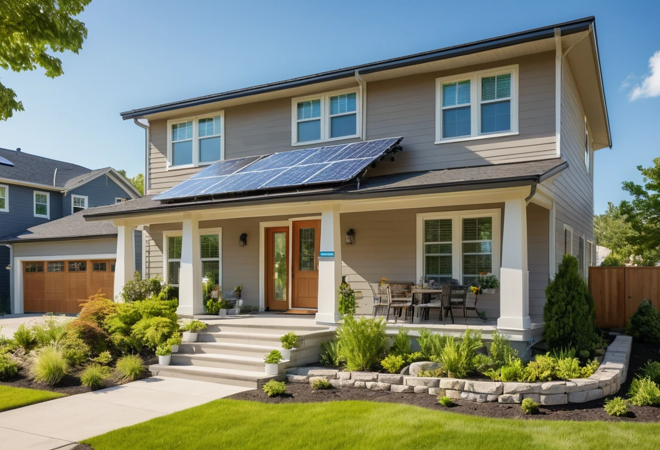
Energy-efficient homes use smart design, modern insulation, efficient appliances, and renewable energy to reduce energy waste, lower utility bills, and create healthier, more sustainable living spaces.
The Complete Guide To Energy-Efficient Homes
Ever wondered why your energy bill keeps climbing, even though you turn off lights and unplug devices? The secret may lie in your home’s design and systems.
Here’s the truth: creating an energy-efficient home isn’t just about saving money—it’s about comfort, health, and doing your part for the planet. Whether you’re building new or upgrading an older house, this guide breaks down everything you need to know in simple, actionable steps.
What Is An Energy-Efficient Home? ⚡
An energy-efficient home is built or upgraded to use less energy without sacrificing comfort. These homes keep indoor temperatures stable, reduce waste, and rely on smart materials and technology.
They focus on energy conservation, meaning they use less power to achieve the same results—like better insulation, energy-smart lighting, or efficient HVAC systems.
Think of it as a win-win situation: lower bills and a smaller carbon footprint .
Why Energy Efficiency Matters
Energy efficiency impacts more than your monthly budget. It’s a major step toward environmental sustainability.
Here’s why it’s important:
- Reduces energy consumption from nonrenewable sources.
- Lowers utility bills—you could save hundreds annually.
- Improves indoor comfort by reducing drafts and temperature swings.
- Increases home value, as buyers want eco-friendly features.
A home that’s efficient today is an investment that pays off for decades.
How Energy-Efficient Homes Save You Money
You don’t have to live off the grid to save big. Energy-efficient homes cut waste through smart design choices.
Here’s how the savings add up:
- Better insulation means less heating and cooling loss.
- Efficient appliances use less power.
- LED lighting consumes up to 75% less energy than incandescent bulbs.
- Smart thermostats adjust automatically to your lifestyle.
Over time, even small upgrades—like weatherstripping doors—can lead to huge annual savings.
Core Elements Of An Energy-Efficient Home
Building or retrofitting an energy-efficient home involves multiple elements working together.
| Feature | Energy Benefit | Estimated Savings |
| Insulation | Reduces heating/cooling loss | 10–20% annually |
| Energy-Efficient Windows | Keeps interior temperature stable | Up to 15% |
| LED Lighting | Cuts electricity use | 75% less energy |
| Smart Thermostat | Adjusts temp automatically | $180/year average |
Each system contributes to a home that’s comfortable, cost-effective, and eco-friendly.
Insulation: The Foundation Of Energy Efficiency
Good insulation is like wrapping your home in a cozy blanket. It keeps warm air in during winter and hot air out during summer.
Common insulation types include:
- Fiberglass (most common and affordable)
- Spray foam (great for sealing gaps)
- Cellulose (eco-friendly and made from recycled materials)
Don’t forget to insulate attics, basements, and crawl spaces, where most heat escapes.
Windows And Doors That Work Smarter
Old, drafty windows can leak up to 30% of your home’s energy. Modern Energy Star–rated windows are designed with double or triple glazing and gas fills to improve insulation.
Tips for better performance:
- Use weatherstripping to seal gaps.
- Choose low-emissivity (Low-E) glass for temperature control.
- Install storm doors for added insulation.
Your windows and doors can literally make or break your home’s energy efficiency.
Heating And Cooling Efficiency (HVAC Systems) ❄️
Your HVAC system is the heart of your home’s comfort. Unfortunately, it’s also the biggest energy hog.
Upgrade to:
- ENERGY STAR–certified systems for optimal performance.
- Programmable thermostats that adapt to your schedule.
- Zoned heating and cooling, which reduces energy waste.
Regular maintenance—like changing filters monthly—can improve efficiency instantly.
Smart Home Technology For Energy Savings
Smart home devices are transforming how we manage energy. Imagine adjusting your thermostat with your phone or turning off lights automatically when you leave a room.
Popular energy-saving devices include:
- Smart plugs to control electronics.
- Motion-sensor lighting for unused rooms.
- Smart thermostats that learn your habits.
| Device Type | Function | Energy Savings |
| Smart Thermostat | Adjusts heating/cooling | 10–15% |
| Smart Plug | Controls appliance usage | 5–10% |
| Motion Sensors | Reduces lighting waste | 20%+ |
Technology doesn’t just make life easier—it makes your home greener too .
Efficient Lighting: Small Change, Big Impact
Lighting accounts for nearly 15% of an average home’s energy use. Switching to LED bulbs can drastically cut your electricity bill.
Why LEDs rock:
- They last 25x longer than incandescent bulbs.
- They use 75% less energy.
- Available in warm or cool tones for any mood.
Try combining LEDs + dimmers + motion sensors for maximum efficiency.
Energy-Efficient Appliances You’ll Love
Appliances like your fridge, washer, and dishwasher use a surprising amount of energy daily.
Look for the ENERGY STAR label, which guarantees superior performance and reduced consumption.
Top tips:
- Upgrade old appliances—they cost more to run.
- Use cold water cycles for laundry.
- Run full loads in dishwashers and washing machines.
Simple habit changes can make a big difference over time.
Renewable Energy Options: Solar And Beyond ☀️
Renewable energy is the ultimate game-changer for home efficiency.
Most popular choices include:
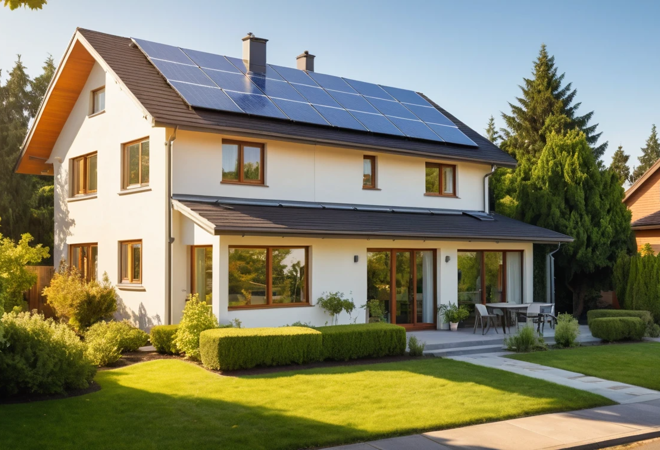
- Solar panels – Generate clean power and can eliminate your electric bill.
- Geothermal systems – Use the earth’s stable temperature for heating/cooling.
- Wind turbines – Great for rural properties with strong winds.
| Renewable Option | Initial Cost | Long-Term Savings |
| Solar Panels | High | 100% energy offset possible |
| Geothermal | Moderate–High | 30–60% HVAC savings |
| Wind Turbine | High | Energy independence |
Investing in renewables may seem pricey, but tax credits and rebates make it more affordable than ever.
Water Efficiency And Smart Plumbing
Energy efficiency isn’t just about electricity—it’s also about water.
Tips for saving water:
- Install low-flow faucets and showerheads.
- Fix leaks immediately.
- Use tankless water heaters, which heat on demand.
A water-efficient home not only saves money but also conserves valuable resources.
Sustainable Building Materials
When building or renovating, choosing eco-friendly materials makes a huge difference.
Some great options include:
- Recycled steel for framing.
- Bamboo flooring, a fast-growing renewable resource.
- Reclaimed wood for character and sustainability.
Sustainable materials help lower your home’s environmental impact while looking stunning.
Home Design And Orientation Tips
The layout of your home plays a massive role in how energy-efficient it can be.
Smart design ideas:
- Face main living areas south to capture winter sunlight.
- Use shading and trees for natural cooling.
- Opt for open layouts that allow airflow.
Small design decisions can drastically reduce energy demand year-round.
Energy Audits: Know Where You Stand
Before making upgrades, get a professional home energy audit.
It pinpoints problem areas like air leaks, poor insulation, or inefficient appliances. You’ll receive a customized report showing what to fix first for maximum savings.
Many utilities offer free or discounted audits, so it’s worth checking.
Government Incentives And Tax Credits
The U.S. government offers several energy efficiency tax credits and rebates.
You might qualify for incentives when you:
- Install solar panels or heat pumps.
- Replace windows or insulation.
- Upgrade to ENERGY STAR appliances.
Check programs like the Federal Clean Energy Credit for up to 30% back on certain installations.
Simple Daily Habits To Save Energy
Efficiency doesn’t stop with tech—it’s a mindset.
Try these daily habits:
- Turn off lights when leaving a room.
- Unplug chargers when not in use.
- Wash clothes in cold water.
- Air-dry laundry when possible.
Tiny changes add up to serious savings (and good karma).
Conclusion: Your Path To A Greener, Smarter Home
Building or transforming an energy-efficient home is one of the smartest investments you can make. You’ll enjoy lower bills, better comfort, and a cleaner conscience knowing you’re helping the planet.
Start small, stay consistent, and watch your savings—and sustainability—grow. ✨
FAQs
- How do I make my home more energy-efficient?
Start with insulation and efficient windows, then upgrade lighting and appliances. Add smart thermostats for easy energy control. - What are the cheapest energy-saving upgrades?
Switching to LED bulbs, sealing air leaks, and adding weatherstripping are low-cost, high-impact steps. - Do solar panels really save money?
Yes! Solar panels can slash your electric bill and often pay for themselves within 6–10 years. - How much can I save with an energy-efficient home?
Depending on upgrades, you can save 20–50% on annual energy costs—sometimes even more. - What government incentives are available?
You may qualify for federal tax credits or local rebates for solar, insulation, or smart home systems.