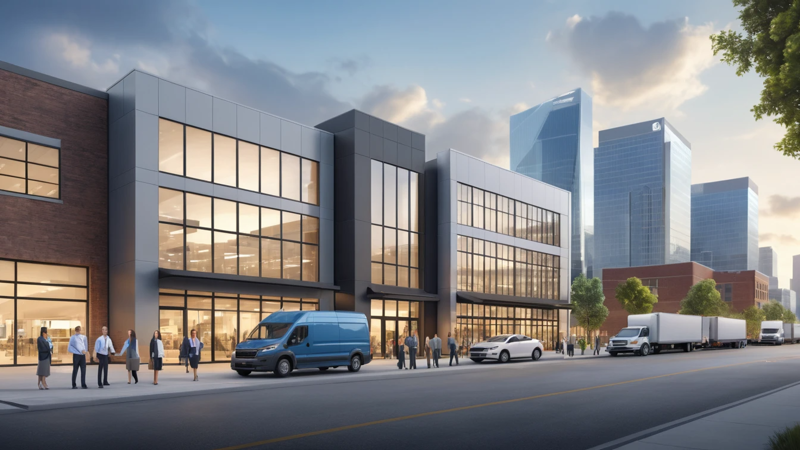
How To Invest In Office, Retail, And Industrial Spaces – Smart Strategies For Profitable Growth
How to invest in office, retail, and industrial spaces successfully. Learn smart, easy-to-follow strategies to grow your commercial real estate portfolio fast.
Investing in office, retail, and industrial spaces means buying or funding commercial properties to earn rental income and long-term value growth. Success comes from market research, smart financing, and strong property management.
How To Invest In Office, Retail, And Industrial Spaces
Ever wondered how big investors make steady income from commercial real estate while others struggle to get started? The secret isn’t luck — it’s strategy, research, and understanding how each property type works.
Commercial real estate can be one of the most powerful wealth-building tools available. Whether you’re eyeing office spaces, retail shops, or industrial warehouses, each offers unique opportunities and risks. Let’s break down how to invest wisely in all three.
Understanding Commercial Real Estate Basics
Before diving into property types, it’s key to understand what commercial real estate (CRE) really means. CRE includes any property used for business activities rather than residential living.
These properties generate income through leases. Tenants — like companies, retailers, or manufacturers — pay rent, often on multi-year agreements, creating consistent cash flow.
Commercial properties generally fall into:
- Office spaces (corporate tenants)
- Retail spaces (shops, malls)
- Industrial spaces (warehouses, logistics)
Why Invest In Commercial Properties?
So, why do investors love commercial spaces? Simply put: they offer stronger returns and longer leases than most residential properties.
Key benefits include:
- Higher rental yields
- Stable long-term tenants
- Property appreciation over time
- Tax advantages through depreciation
However, commercial real estate requires more capital and market knowledge — but the rewards can be substantial if done right.
Office Space Investments: A Strategic Overview ️
Office buildings range from small coworking setups to skyscrapers. They’re often leased to professionals or corporations for several years at a time.
The rise of remote and hybrid work has changed the game. Investors now favor flexible office models and prime urban hubs that still attract top-tier tenants.
Tip: Look for buildings near transport, tech hubs, or business districts for the highest occupancy rates.
How To Analyze Office Space Markets
Before buying, study the local job market and office demand trends. A thriving business district means strong rental potential.
Consider:
- Employment growth in the area
- Office vacancy rates
- Future developments nearby
- Tenant diversity (tech, finance, legal, etc.)
Pro tip: Don’t rely only on one big tenant — aim for a diversified tenant mix to reduce risk.
Comparison Of Commercial Property Types
| Property Type | Average Lease Term | Typical ROI | Ideal For |
| Office Space | 3–10 years | 6–9% | Long-term investors |
| Retail Space | 5–15 years | 7–10% | Cash-flow seekers |
| Industrial Space | 3–20 years | 8–12% | Growth-focused investors |
Retail Property Investments: Understanding The Market ️
Retail spaces include everything from small strip malls to big-box stores. Despite the e-commerce boom, well-located retail spaces still perform strongly — especially those offering experiences that online shopping can’t replace.
Location is everything. Look for areas with high foot traffic, visibility, and easy access. Anchor tenants like grocery stores or gyms can attract steady visitors.
Types Of Retail Investments To Know
Retail isn’t one-size-fits-all. There are different formats to consider:
- Neighborhood centers – local shops and service stores.
- Community centers – larger retail areas with supermarkets.
- Regional malls – big complexes with brand retailers.
- Single-tenant properties – leased to one business (e.g., Starbucks or Walgreens).
Each comes with its own risk-reward balance. For new investors, neighborhood or single-tenant properties are often easiest to manage.
Industrial Real Estate: The Backbone Of E-Commerce
Industrial properties — like warehouses, logistics centers, and manufacturing spaces — are booming thanks to the rise of e-commerce and supply chain demand.
These properties are typically leased long-term to logistics or production companies, offering stable, predictable returns.
The best part? Low management effort. Unlike retail or office tenants, industrial tenants handle most upkeep themselves.
How To Evaluate Industrial Properties
Before you buy, check the following:
- Proximity to highways, airports, and ports
- Ceiling height and loading docks for modern logistics needs
- Tenant creditworthiness (big brands = stable rent)
- Zoning and environmental regulations
Strong industrial investments often sit near major transportation corridors — these areas will stay valuable even in economic downturns.
️ Key Industrial Investment Metrics
| Factor | Ideal Benchmark | Why It Matters |
| Occupancy Rate | 90%+ | Indicates tenant demand |
| Lease Length | 5–20 years | Ensures income stability |
| Rent Growth | 3–5% yearly | Protects against inflation |
Financing Options For Commercial Properties
Getting financing for commercial properties can differ from residential loans. Banks typically require larger down payments (20–35%) and look closely at the property’s income.
Top financing options include:
- Traditional bank loans – low rates but stricter terms.
- SBA 504 loans – ideal for owner-occupiers.
- Commercial mortgage-backed securities (CMBS) – for large investments.
- Private lenders or partnerships – flexible but may cost more.
Keep your debt-service coverage ratio (DSCR) above 1.25 to show lenders the property earns more than enough to cover loan payments.
How To Diversify A Commercial Portfolio
Never put all your money in one type of property. Diversification reduces risk and keeps cash flow steady.
You might hold:
- 50% in industrial
- 30% in office
- 20% in retail
This mix helps balance potential downturns in one sector with gains in another.
Key Risks To Watch Out For ⚠️
Commercial real estate isn’t risk-free. Be mindful of:
- Economic downturns reducing tenant demand
- Long vacancies between tenants
- High repair or maintenance costs
- Changing zoning or tax laws
You can minimize risk through insurance, solid leases, and careful tenant screening.
Common Mistakes New Investors Make
| Mistake | Why It Hurts | How To Avoid |
| Ignoring location trends | Reduces future value | Research neighborhood data |
| Overleveraging | Creates payment stress | Keep debt under control |
| Skipping inspections | Leads to repair surprises | Hire a professional inspector |
How To Find The Best Deals
Great deals aren’t always on public listings. Network with:
- Commercial brokers
- Local real estate attorneys
- Developers and investors
Join local real estate meetups or commercial investment groups. Word-of-mouth often leads to off-market opportunities.
Property Management Tips For Investors
Managing commercial tenants takes professionalism and communication.
Best practices include:
- Regular property maintenance checks
- Transparent rent collection systems
- Annual lease reviews and rent adjustments
- Quick response to tenant needs
If managing multiple properties feels overwhelming, consider hiring a commercial property manager.
How To Boost Property Value Over Time
You can grow value through renovations, rebranding, or tenant upgrades.
Some quick wins:
- Add modern amenities or green features
- Improve signage and lighting
- Reconfigure space for hybrid work
- Offer flexible lease terms
Small improvements can raise rent and attract higher-quality tenants — increasing both cash flow and resale value.
Sustainability And Smart Buildings
Sustainable design isn’t just trendy — it attracts tenants and investors. Properties with LEED certification or energy-efficient systems often command higher rents.
Smart building tech — like automated lighting, security, and HVAC systems — improves tenant satisfaction and reduces costs.
Is Now A Good Time To Invest? ⏰
Yes — if you’re strategic. Post-pandemic shifts created new opportunities: affordable office spaces, booming industrial parks, and experiential retail centers are reshaping markets.
The key is to follow demographic and technological trends, not chase yesterday’s models.
Final Thoughts: Building Long-Term Wealth Through CRE
Investing in office, retail, and industrial spaces isn’t about quick wins — it’s about building reliable, long-term wealth. With careful research, smart financing, and great tenants, commercial properties can deliver both steady cash flow and massive appreciation.
Start small, learn the ropes, and keep your eyes on market shifts. The best investors adapt — and that’s how you turn opportunity into lasting success.
FAQs
- What Is The Best Commercial Property To Start With?
For beginners, industrial or single-tenant retail properties are ideal. They offer simpler management and reliable tenants. Start small, gain experience, then expand. - How Much Money Do You Need To Invest In Commercial Property?
Typically, you’ll need 20–35% down payment and solid financing. Smaller deals may start around $250,000, while larger properties can cost millions. - Is Commercial Real Estate Better Than Residential?
It depends on your goals. Commercial offers higher returns and longer leases, while residential provides easier entry and flexibility. - How Can I Find Commercial Properties For Sale?
Check LoopNet, CREXi, or local brokers. Networking and local connections can also reveal off-market opportunities. - How Do You Evaluate A Commercial Property?
Review location, tenant quality, cash flow, and cap rate. Always conduct inspections and analyze future area development plans before buying.