Eco-Friendly Home Designs – Modern Sustainable Living Ideas You’ll Love
Eco-friendly home designs are trending! Discover modern, sustainable living ideas, energy-efficient materials, and green design trends that blend beauty with purpose.
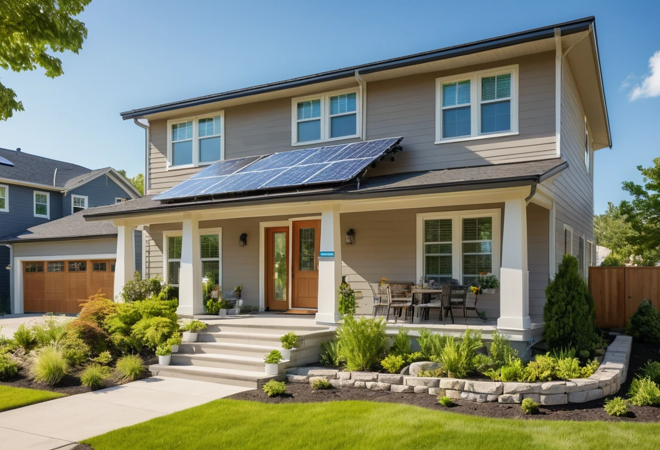
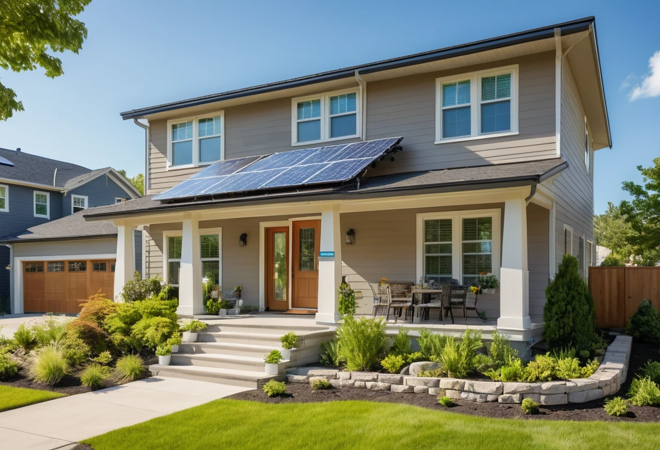
Eco-friendly home designs are trending as homeowners embrace sustainability, energy efficiency, and natural materials. These modern homes use solar power, recycled resources, and smart technology to reduce waste and lower costs — creating stylish, healthy spaces that protect the planet and enhance everyday living.
Eco-Friendly Home Designs Are Trending — Here’s Why Everyone’s Talking About Them
Eco-friendly home designs are reshaping how we live, combining comfort, sustainability, and smart design. Homeowners today are embracing green architecture, renewable materials, and energy-saving innovations to build stylish yet sustainable spaces.
But what’s behind this shift toward eco-conscious homes? Let’s dive into the latest trends, materials, and ideas shaping the future of sustainable living.
The Rise Of Eco-Friendly Home Design
Ever wondered why everyone suddenly cares about sustainable homes? The reason is simple: people want beautiful spaces that don’t harm the planet. With climate concerns rising, eco-friendly architecture has become more than just a trend — it’s a lifestyle choice.
Modern builders and designers are focusing on energy efficiency, natural light, and recycled materials. These homes don’t just look amazing — they help reduce carbon footprints and lower utility bills.
Understanding The Core Of Sustainable Living
At its heart, sustainable home design means using resources wisely. It’s about building homes that last, consume less, and contribute more to the environment.
That includes:
- Choosing renewable building materials
- Integrating solar or wind energy
- Reducing water waste through efficient plumbing
- Designing spaces that promote natural airflow
A sustainable home doesn’t just benefit nature — it creates a healthier, calmer lifestyle for you and your family.
Energy-Efficient Building Materials
Materials matter. The right ones make your home durable, stylish, and environmentally friendly.
Here are some popular eco-friendly building materials used today:
| Material | Benefit | Common Use |
| Bamboo | Renewable, durable, aesthetic | Flooring, cabinetry |
| Recycled Steel | Reduces waste, long-lasting | Frames, roofing |
| Hempcrete | Natural insulation, lightweight | Walls, insulation |
| Reclaimed Wood | Low carbon footprint | Furniture, beams |
These materials not only reduce waste but also add warmth and personality to your home’s design.
Smart Homes Meet Green Design
Technology and sustainability now go hand in hand. Smart eco-homes are equipped with automated systems that monitor energy use, lighting, and temperature.
Imagine lights that turn off when you leave a room or thermostats that learn your routine — these features cut energy bills and reduce waste effortlessly.
Smart water systems also help conserve every drop, turning your house into an intelligent, eco-friendly space.
Natural Light Is The New Luxury ☀️
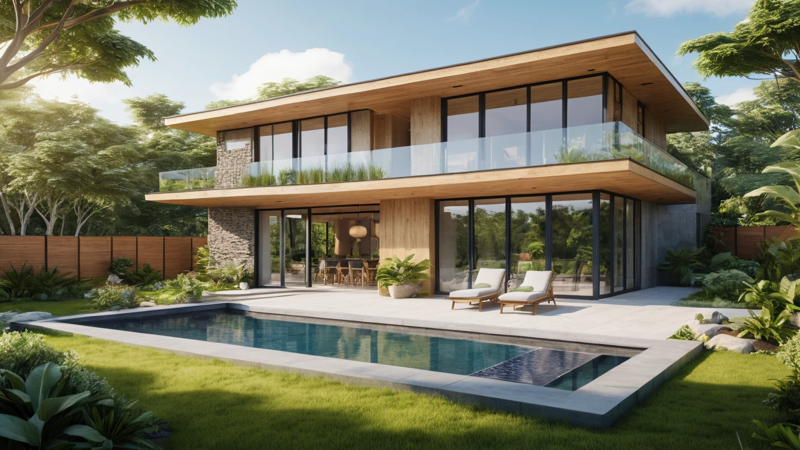
Sunlight is free, abundant, and beautiful — and modern eco-design makes the most of it. Architects now focus on open floor plans and large windows that let light flood in naturally.
Benefits of maximizing natural light include:
- Lower electricity costs
- Better mental health and mood
- Enhanced visual appeal of interiors
So, instead of relying on artificial lights, use skylights, solar tubes, and strategically placed windows to bring your home to life.
Water Conservation In Modern Homes
Eco-friendly homes don’t waste a drop. They use smart plumbing systems, low-flow fixtures, and rainwater harvesting tanks to save water.
Here’s a quick breakdown of modern water-saving solutions:
| System | Function | Impact |
| Greywater Recycling | Reuses water from sinks/showers | Reduces overall water use |
| Low-Flow Toilets | Uses less water per flush | Saves hundreds of gallons yearly |
| Drip Irrigation | Targeted watering for gardens | Reduces outdoor waste |
These innovations make water efficiency effortless and sustainable.
Solar Power – The Heart Of Green Living ⚡
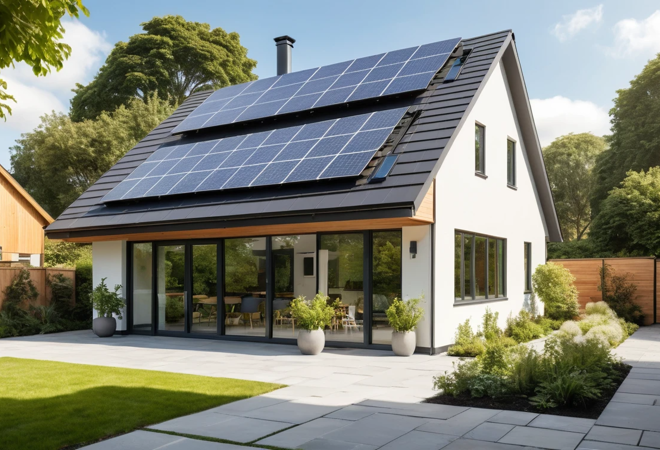
One of the biggest eco-friendly home trends is solar energy. It’s clean, renewable, and now more affordable than ever.
Solar panels convert sunlight into electricity, helping homeowners save up to 60% on energy costs. Pair them with battery storage systems to stay powered even during outages.
Plus, solar homes often qualify for tax incentives and rebates, making them a smart financial investment too.
Eco-Friendly Interior Design Trends
Sustainable design doesn’t stop at the walls — it extends to every piece of furniture and décor.
Popular trends include:
- Using natural fabrics like cotton, linen, and jute
- Choosing non-toxic paints and finishes
- Decorating with plants for air purification
These design choices create a cozy, toxin-free environment that feels good and does good.
Recycled And Upcycled Furniture ♻️
Why buy new when you can give old furniture a second life? Upcycling transforms vintage or discarded items into unique, artistic pieces.
A reclaimed wood table, a repainted dresser, or a pallet shelf not only looks chic but also reduces waste. Every upcycled piece tells a story — and keeps one more item out of the landfill.
Passive House Design Principles
Passive houses are built to maintain comfortable indoor temperatures without heavy reliance on HVAC systems.
They use super insulation, airtight construction, and efficient ventilation to reduce energy loss. Essentially, the house “breathes” smartly while staying cozy year-round.
The result? Lower energy bills, improved air quality, and sustainable comfort — all without sacrificing style.
Biophilic Design: Nature Inside The Home
Biophilic design connects you directly to nature. Think indoor plants, green walls, natural textures, and earthy tones.
This design philosophy isn’t just about looks — it promotes wellbeing by reducing stress and boosting focus.
Incorporate materials like stone, wood, and bamboo to create a soothing atmosphere that mirrors the outdoors.
Tiny Homes, Big Impact ️
The tiny home movement is growing, and it’s easy to see why. Smaller spaces mean less waste, less energy, and more intentional living.
Designers maximize every inch with multi-functional furniture and compact layouts. It’s not about having less — it’s about living more sustainably with what truly matters.
Green Roofs And Living Walls
Imagine your roof covered with lush greenery or your walls breathing with plants. Green roofs and living walls improve air quality, insulation, and aesthetics.
They also reduce heat absorption, keeping your home naturally cooler during summer. Plus, they attract birds, butterflies, and bees — turning your space into a mini ecosystem.
| Feature | Benefit | Best For |
| Green Roofs | Natural insulation, reduces runoff | Urban homes |
| Living Walls | Improves air quality | Interiors & patios |
| Vertical Gardens | Space-saving plant growth | Apartments |
Sustainable Landscaping Ideas
Eco-friendly homes extend sustainability outdoors too. Instead of traditional lawns, many homeowners are switching to native plants, xeriscaping, and edible gardens.
These landscapes require less water, fewer chemicals, and less maintenance. Bonus: you get fresh herbs, veggies, and flowers right outside your door.
Energy-Efficient Appliances That Make A Difference ⚙️
Appliances are major energy users — but modern eco-appliances are changing that.
Look for the ENERGY STAR label when shopping. These products use up to 50% less energy than traditional models.
Smart refrigerators, induction stoves, and high-efficiency washers help reduce your home’s carbon footprint without compromising performance.
Cost Benefits Of Eco-Friendly Homes
Building green might seem costly upfront, but the long-term savings are huge.
Here’s how sustainable homes save money:
- Lower utility bills
- Reduced maintenance costs
- Possible government tax credits
- Increased property value
Think of it as an investment — one that pays back in comfort, savings, and peace of mind.
How To Start Building Your Eco-Friendly Dream Home ️
Ready to go green? Start small. Begin with energy-efficient bulbs, composting, and low-flow faucets. Then, plan your home design around:
- Location and natural light
- Sustainable materials
- Renewable energy sources
Work with an architect experienced in sustainable design to bring your vision to life.
The Future Of Eco-Friendly Architecture
Eco-design is not just a passing trend — it’s the future of construction. With smart tech, renewable energy, and nature-inspired layouts, homes will become self-sustaining ecosystems.
In the coming years, expect to see:
- Carbon-neutral building materials
- AI-driven energy systems
- Entirely off-grid homes
The future is green, and it starts right at home.
Conclusion: Living Green Is The New Luxury ✨
Eco-friendly home designs aren’t about sacrifice — they’re about smarter, more intentional living. By blending technology, sustainability, and style, homeowners can create beautiful spaces that nurture both people and the planet.
Going green isn’t just a design choice — it’s a lifestyle revolution that’s here to stay.
FAQs
- What Are The Top Eco-Friendly Home Trends?
The biggest trends include solar panels, recycled materials, green roofs, and smart home automation. Each focuses on cutting energy waste and promoting sustainability. - How Can I Make My Home More Sustainable?
Start with small changes like LED lighting, energy-efficient appliances, and composting. Then move toward solar energy or water-saving systems. - Are Eco-Friendly Homes Expensive To Build?
While the initial cost can be higher, eco-homes save money over time through lower utility bills and maintenance costs. - What Materials Are Best For Green Homes?
Use bamboo, reclaimed wood, recycled steel, and hempcrete. These materials are durable, renewable, and environmentally responsible. - Why Is Sustainable Design Important?
It protects the environment, reduces resource consumption, and improves your quality of life — creating homes that truly support future generations.